Raspberry Pi #
Purpose #
The Raspberry Pi bank provides a development and prototyping platform for edge compute, IoT, and clustering experiments. The Pis function as a reusable workbench—when a project is complete, the SD card becomes the deliverable and a new Pi4 is purchased for permanent deployment.
Goals:
- SD card as product — Develop on the bank, deploy the card to dedicated hardware
- Swappable experiments — Swap SD cards in/out for different projects or clustering configurations
- Prototyping platform — Test configurations before committing to permanent hardware
Hardware #
Site: mobile (mobile)
| Quantity | Model | RAM | Notes |
|---|---|---|---|
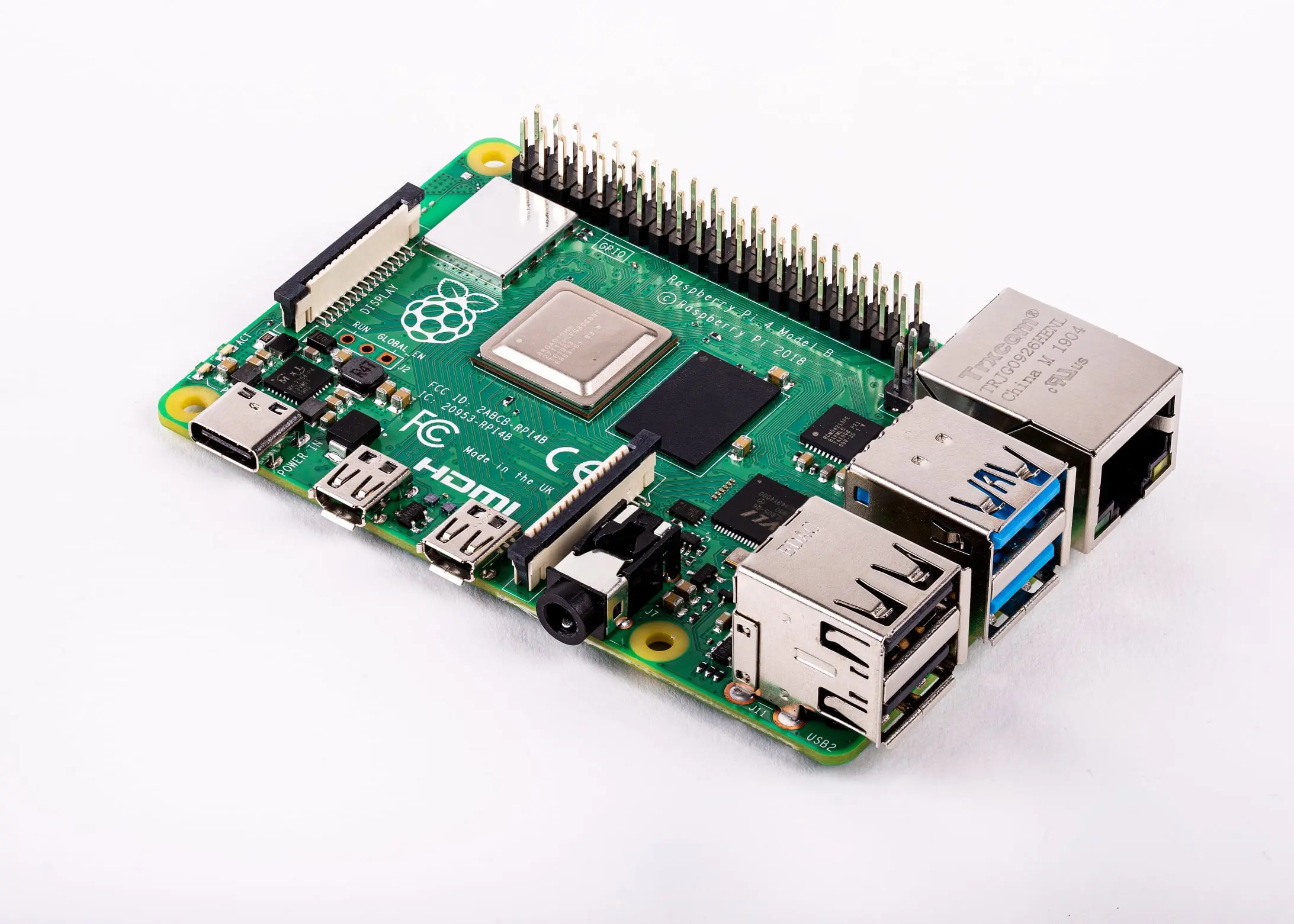
| 4 | Raspberry Pi 4 Model B | 8GB | Development bank |
Selection Rationale #
| Attribute | Value | Rationale |
|---|---|---|
| Model | Pi 4 Model B | Mature platform, broad software support |
| RAM | 8GB | Maximum available, supports heavier workloads |
| Quantity | 4 units | Enables clustering experiments (K3s, etc.) |
| Form factor | Standard Pi | Compatible with cases, HATs, accessories |
Network Position #
graph LR
    A[Core Router] <--> B[Access Switch
IoT VLAN] <--> C[Raspberry Pi Bank
4x Pi4 8GB]
Pis are placed on the IoT network segment for isolation from management workloads.
Operating System #
| Attribute | Value |
|---|---|
| OS | Raspberry Pi OS (64-bit) or Fedora ARM |
| Provisioning | SD card imaging via deevnet-image-factory |
Use #
How the bank is used — building an image, testing on a bank Pi, and graduating a project to dedicated hardware — is the Pi Lab in Tenant Operations. Projects that have graduated are under Completed Projects.